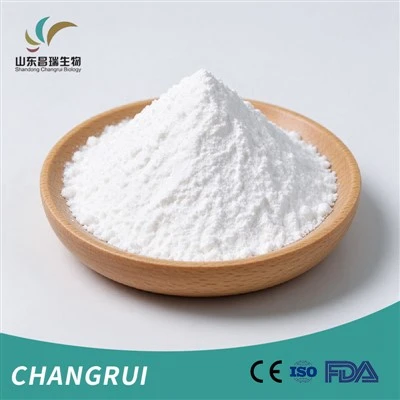
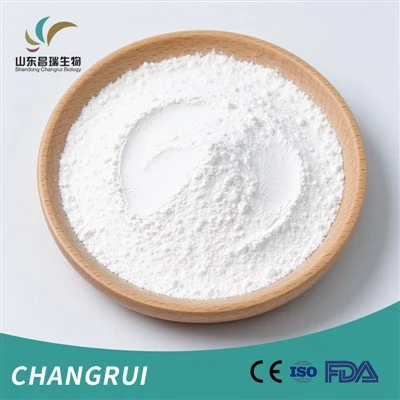
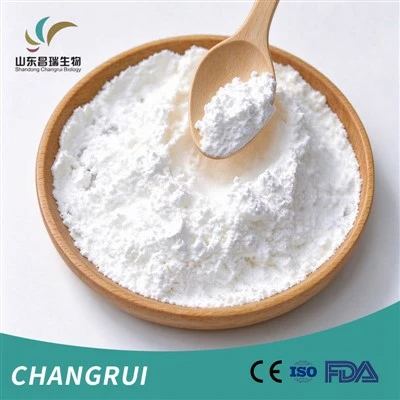
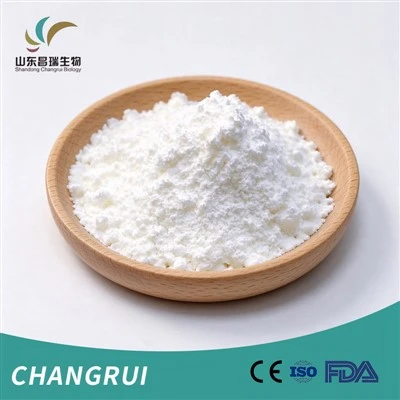
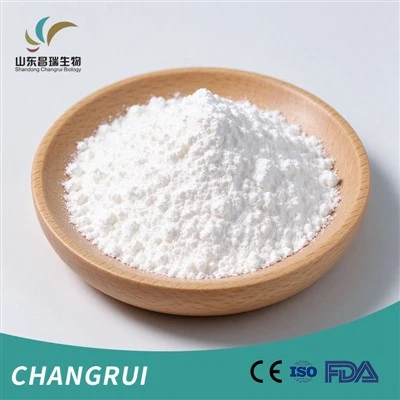
CAS No.: 6020-87-7
Assay: ≥99.5%
Appearance: White crystalline powder
Molecular Formula: C₄H₉N₃O₂·H₂O
Molecular Weight:...
 English


Food ingredients are the cornerstone of the modern health industry, providing core functional components for global food, beverage, and dietary supplement products. These ingredients are essential for the nutrition, taste, and stability of end products. We are dedicated to supplying high-quality food ingredients to help clients meet clean label demands and efficacy upgrades.
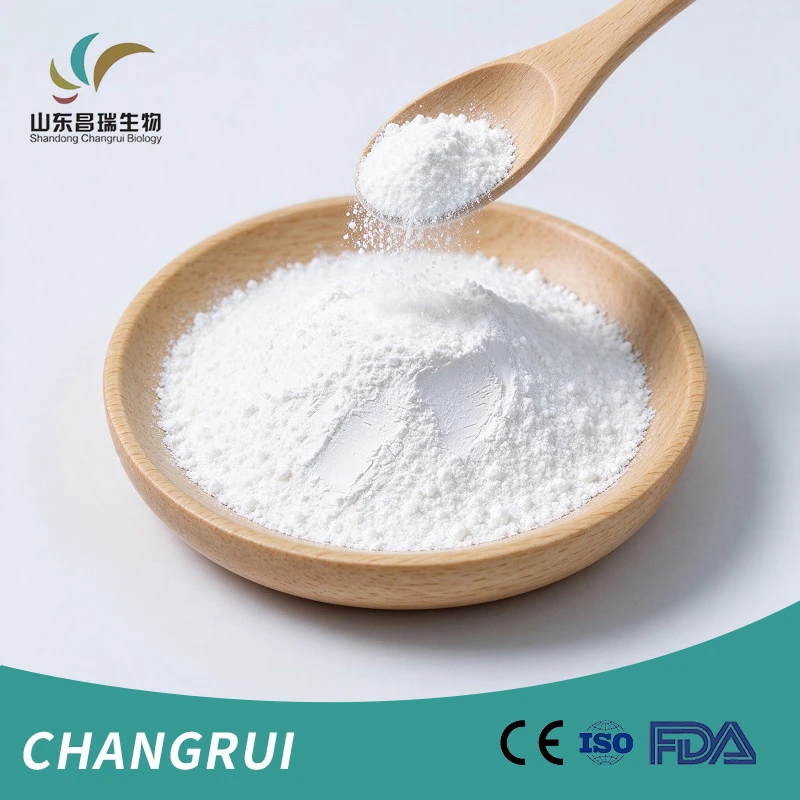
CAS No.: 6020-87-7
Assay: ≥99.5%
Appearance: White crystalline powder
Molecular Formula: C₄H₉N₃O₂·H₂O
Molecular Weight:...
CAS No.: 17050-09-8
Assay: ≥99%
Appearance: White crystalline powder
Molecular Formula: C₄H₉N₃O₂·HCl
Molecular Weight:...
CAS No.: 87-89-8
Assay: ≥99%
Appearance: White crystalline powder
Molecular Formula: C₆H₁₂O₆
Molecular Weight: 180.16
Storage: Store in a cool,...
CAS No.: 6556-11-2
Assay: ≥98%
Appearance: Off-white to white crystalline powder
Molecular Formula: C₄₂H₃₀N₆O₁₂
Molecular Weight:...
CAS No.: 57-00-1
Assay: ≥99.0%
Appearance: White crystalline powder
Molecular Formula: C₄H₉N₃O₂
Molecular Weight: 131.13
Storage:...
CAS No.: 89695-59-0
Assay: ≥99.0%
Appearance: White crystalline powder
Molecular Formula: C₄H10N4O5
Molecular Weight: 194.15
Storage:...
CAS No.: 290357-35-6
Assay: ≥98.0%
Appearance: White crystalline powder
Molecular Formula: C₈H₁₆MgN₆O₄
Molecular Weight: 284.56
Storage:...
Assay: ≥98.0%
Appearance: White crystalline powder
Molecular Formula: C₈H₁₄CaN₆O₄
Molecular Weight: 298.31
Storage: Store in a cool, dry, dark...
CAS No.: 315669-78-4
Assay: ≥98.0%
Appearance: White crystalline powder
Molecular Formula: C₉H₁₅N₃O₇
Molecular Weight: 277.23
Storage:...
CAS No.: 686351-75-7
Assay: ≥98.0%
Appearance: White crystalline powder
Molecular Formula: C₈H₁₅N₃O₇
Molecular Weight: 265.22
Storage:...
CAS No.: 177024-62-3
Assay: ≥98.0%
Appearance: Off-white to white crystalline powder
Molecular Formula: C₁₀H₁₇N₃O₉
Molecular Weight:...
CAS No.: 55965-97-4
Assay: ≥98.0%
Appearance: White crystalline powder
Molecular Formula: C₇H₁₃N₃O₅
Molecular Weight: 219.20
Storage:...
Enhance Nutrition and Efficacy
High-purity active components support recovery, immune health, and weight management, meeting core consumer demands.
Improve Taste and Shelf Life
Natural components improve stability, texture, and moisture retention, extending shelf life without extra preservatives.
High Bioavailability
Customized forms like micronized and water-soluble powders ensure rapid absorption and maximum efficacy.
Support Clean Label Trends
Combining natural extraction and biosynthesis to meet non-GMO and plant-based market trends.
Simplify Formulation and Production
Excellent flowability and batch-to-batch consistency reduce production costs and time.
Widely used in the following fields:
Dietary Supplements
Tablets, hard capsules, soft capsules, and powders.
Functional Foods and Beverages
Energy bars, meal replacement powders, plant-based drinks, and healthy snacks.
Nutritionally Fortified Foods
Daily staples, dairy products, and infant foods.
Our food ingredients cover several sub-directions, mainly including:
Nutritional Fortification Ingredients
To supplement essential nutrients lacking in daily diets.
Functional Active Ingredients
Natural extracts and biosynthetic compounds supporting specific physiological functions.
Natural Plant Extracts
Standardized powder ingredients derived from natural plants.
Dietary Supplement Base Ingredients
Suitable for tablets, capsules, and powder dosage forms.
We combine natural extraction and biosynthesis, with strict source control:
Source Control
Strict screening and auditing of supplier qualifications and origin environments.
Incoming Inspection
Identity and physicochemical testing of every batch before entering the factory.
Process Monitoring
Full monitoring of temperature, pressure, and pH during production.
Finished Product Testing
Using HPLC, GC, and other precision instruments to ensure purity and safety.
Batch Traceability
A comprehensive batch retention and traceability system for quality verification.
Supported by our own factory and scaled production lines in the field of food ingredients, we implement strict process monitoring:
Standardized Production
Strictly following GMP standards to reduce human error.
Capacity Guarantee
Ton-level production capacity to meet bulk order delivery.
Stability Control
Strict process control to ensure high batch-to-batch consistency.
Delivery Capability
Comprehensive warehousing and logistics to ensure stable global supply.
With a professional R&D team, we offer personalized solutions:
OEM/ODM Services
Customized formulas and product specifications.
Particle Size Customization
Micronized ingredients with different mesh sizes.
Water Solubility Improvement
Solutions to enhance the solubility of poorly soluble components.
Premix Solutions
Customized blends based on client target functions.
Formulation Support
Assisting clients with bioavailability, taste improvement, and other formulation challenges.
Source Factory Direct
No middlemen, controllable cost and lead time.
Scaled Capacity
Own factory and production lines, guaranteed delivery for bulk orders.
Full Compliance
COA and MSDS available to support global customs clearance.
Flexible Customization
Support small batch trials and formulation R&D.
Q1: What are food ingredients, and what role do they play in the modern health industry?
A: Food ingredients are essential functional components used in the production of food, beverages, and dietary supplements. They influence nutrition, taste, and stability, and are key drivers of formulation innovation and consumer health.
Q2: How do food ingredients differ from regular food additives?
A: Regular additives focus on basic nutrition and flavor, while food ingredients emphasize functional properties, purity, bioavailability, and strict compliance. They provide nutrition and directly support end-product efficacy.
Q3: What are the main types of food ingredients?
A: They mainly include nutritional fortification ingredients, functional active ingredients, natural plant extracts, and dietary supplement base ingredients, forming the complete formulation system of modern health foods.
Q4: Why is the purity of food ingredients critical for end products?
A: High purity means fewer impurities, higher bioavailability, and safer end products. In supplements and functional foods, purity directly affects efficacy, stability, and regulatory compliance.
Q5: What is the difference between naturally extracted and biosynthesized food ingredients?
A: Natural extracts offer better consumer perception and clean label attributes but may be affected by origin and season. Biosynthesized ingredients offer high purity, batch consistency, and sustainable supply. Clients can choose based on brand positioning.
Q6: How do food ingredients affect the texture, taste, and shelf life of end products?
A: Particle size, solubility, moisture, and microbiological indicators affect taste, mixability, and shelf life. Micronization, granulation, and strict moisture control can improve texture and extend shelf life.
Q7: How are food ingredients tested for quality?
A: HPLC, GC, and UV instruments are used to test main content, along with heavy metals, microbiology, moisture, and ash. This ensures every batch complies with food safety regulations.
Q8: What safety precautions should be followed when handling food ingredients?
A: Store in a cool, dry, dark place, avoiding high temperature and humidity. Follow food safety production standards during operation to prevent cross-contamination between batches or product lines.
Q9: What are the global regulations for food ingredients?
A: Common standards include FCC, USP, BP, EP, ISO, GMP, and HACCP. Different markets also involve FDA, EU Novel Food, and China GB standards. Ensuring legal compliance in target markets is the primary prerequisite.
Q10: Why is the clean label trend increasingly important for food ingredient selection?
A: Modern consumers demand short, natural, and non-GMO ingredient lists. Natural food ingredients can effectively replace some chemical additives, helping brands achieve clean label claims without compromising taste.
Q11: How should food ingredients be stored and maintained?
A: Store in a cool, dry, dark place, avoiding high temperature and humidity, and keep sealed. Shelf life is typically 2 years, subject to the product COA and MSDS. Follow FIFO inventory management.
Q12: Can food ingredients be customized for specific food formulations?
A: Yes. Custom particle size, water solubility improvement, premix blends, and OEM/ODM services can meet individual needs for specific formulations, dosage forms, or applications.
Q13: What are the challenges in producing food ingredients?
A: Main challenges include batch-to-batch consistency control, strict heavy metal and microbial control, seasonal fluctuations of natural ingredients, and regulatory compliance across global markets.
Q14: What types of testing ensure the purity of food ingredients?
A: HPLC for main content, GC for residual solvents, UV for composition analysis, and titration/atomic absorption spectroscopy for heavy metals and trace elements to ensure purity.
Q15: How do food ingredients affect the bioavailability of nutrients?
A: Particle size, crystal form, solubility, and carrier form directly affect nutrient release and absorption. Optimizing these parameters significantly improves bioavailability and end-product efficacy.
Q16: What are the key standards for food ingredient production?
A: Key standards include GMP, HACCP, ISO quality management systems, and specific food regulations for target markets.
Q17: Why is it important to use high-purity ingredients in food processing?
A: High-purity ingredients reduce the risk of adverse reactions from impurities, improve formulation stability and predictability, and ensure compliance with strict food safety and regulatory requirements.
Q18: How do food ingredients affect the stability of end products?
A: Physicochemical properties (e.g., water activity, pH stability, antioxidant capacity) directly determine stability, taste retention, and shelf life during storage.
Q19: How do natural preservative ingredients extend food shelf life?
A: Natural preservatives extend shelf life by inhibiting microbial growth, delaying oxidation, and retaining moisture, while reducing chemical preservative use and aligning with natural and green trends.
Q20: What are the future trends in the food ingredients industry?
A: Main trends include natural replacement of synthetic chemicals, clean label, plant-based, non-GMO, sustainable sourcing, and precise functional demands for gut health, immune support, and weight management.

Requirement Analysis → COA/MSDS Provided → Free Sample Delivery → Formulation Testing → Customized Trial → Mass Production → Customs & Logistics. As a professional source manufacturer of food ingredients, we look forward to cooperating with global clients.
Shandong Changrui Biotech Co., Ltd. is one of the most experienced food ingredients manufacturers and suppliers in China. With abundant experience, we are committed to providing high quality raw materials with competitive price. Please feel free to wholesale bulk high purity food ingredients in stock here from our factory. Welcome to contact us for quotation.
CAS No.: 6020-87-7
Assay: ≥99.5%
Appearance: White crystalline powder
Molecular...
CAS No.: 17050-09-8
Assay: ≥99%
Appearance: White crystalline powder
Molecular...
CAS No.: 87-89-8
Assay: ≥99%
Appearance: White crystalline powder
Molecular...
CAS No.: 6556-11-2
Assay: ≥98%
Appearance: Off-white to white crystalline...
CAS No.: 57-00-1
Assay: ≥99.0%
Appearance: White crystalline powder
Molecular...
CAS No.: 89695-59-0
Assay: ≥99.0%
Appearance: White crystalline powder
Molecular...