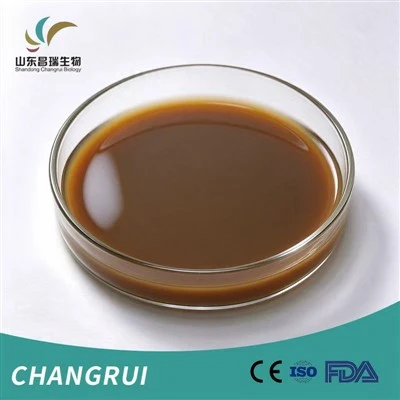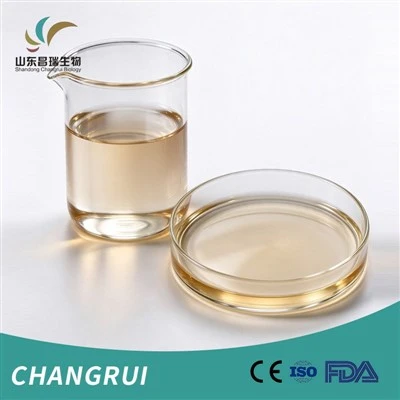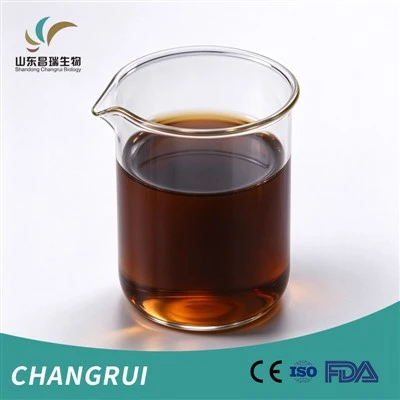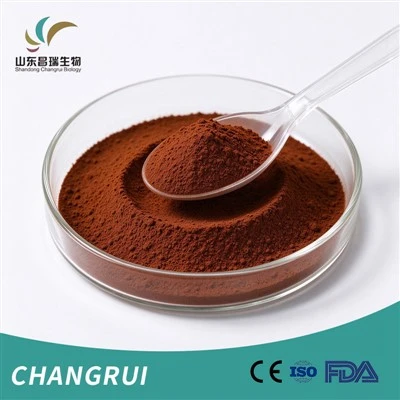

Shandong Changrui Biotech Co., Ltd. is one of the leading manufacturers and suppliers of trace element water soluble fertilizer in China. Please feel free to wholesale bulk high purity trace element water soluble fertilizer in stock here from our factory. All our raw materials are with high quality and competitive price. Contact us for pricelist.
Product Introduction
Trace Element Water Soluble Fertilizer supplies essential chelated micronutrients required in tiny quantities for crop growth. These trace elements act as core enzyme activators, participating in plant photosynthesis, hormone synthesis and nitrogen metabolism. It corrects typical deficiency symptoms such as leaf chlorosis, malformed buds and poor fruit development. As a core raw material for foliar nutrition and fertigation formulations,it complements macro and medium element nutrition, improves crop reproductive development and enhances commodity quality in precision planting.
Technical Specifications
|
Property |
Specification |
|
Appearance |
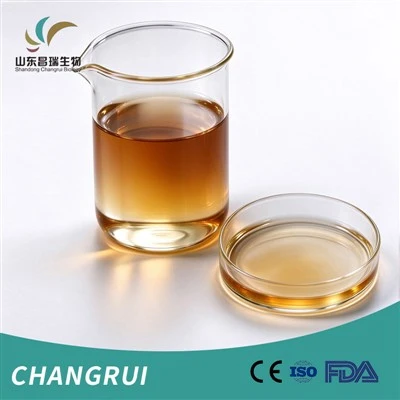
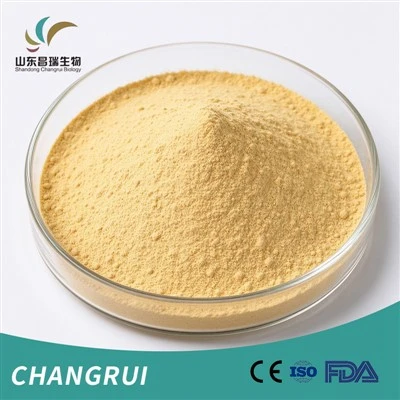
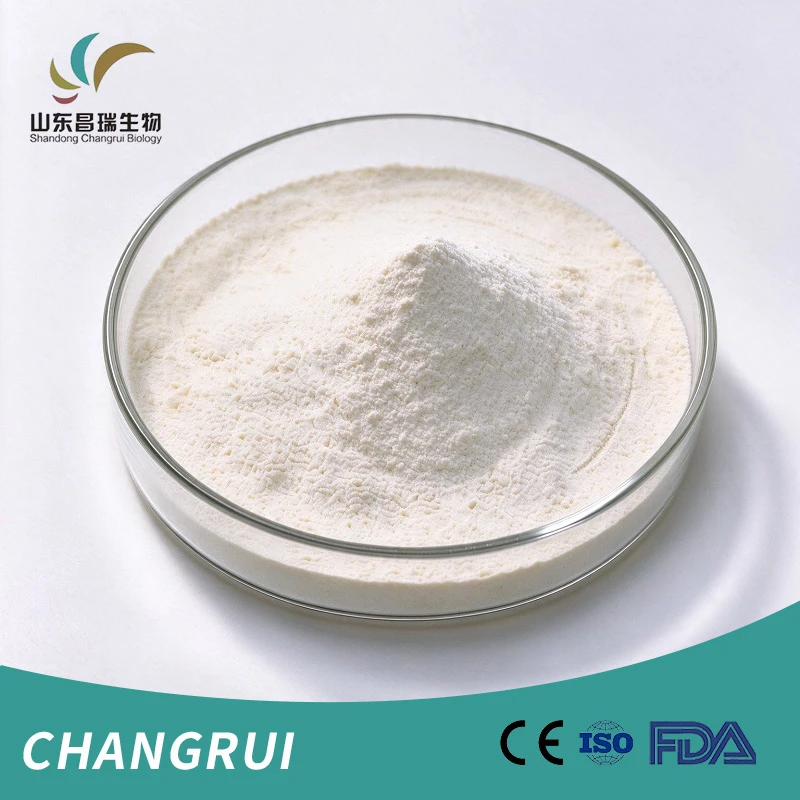
Pale yellow to white crystalline powder or clear liquid |
|
Total Trace Nutrients (Fe+Mn+Zn+Cu+B+Mo) |
≥100g/L (liquid) / ≥10.0% (solid) |
|
Water Solubility |
100% soluble in water |
|
Moisture |
≤3.0% |
|
pH (1% Aqueous Solution) |
4.0–7.0 (Internal Control) |
|
pH (1:250 Dilution) |
3.0–10.0 |
|
Insoluble Residue |
≤0.1% (Internal Control; NY Standard: ≤5.0%) |
|
Executive Standard |
NY 1428-2010 |
|
Total Trace Elements (Fe+Mn+Zn+Cu+B+Mo) |
≥10.0% (Solid) / ≥100 g/L (Liquid) |
|
Molybdenum (Mo) Content |
≤1.0% (Solid) / ≤10 g/L (Liquid) |
Health Benefits & Values
Supply Essential Micronutrients for Enzyme Activation
Chelated trace elements serve as key enzyme components to regulate plant metabolism, even with low application dosage.
Correct Trace Element Deficiency Disorders
Alleviate leaf chlorosis, bud deformity and poor pollination caused by insufficient iron, zinc, boron and other micronutrients.
Promote Flower Differentiation & Fruit Setting
Boron and zinc support pollen germination and auxin synthesis, reducing blossom and fruit drop during reproductive stages.
Boost Photosynthetic & Metabolic Efficiency
Iron and manganese facilitate chlorophyll formation and carbon assimilation to maintain healthy leaf physiological activity.
Synergize With Macro & Medium Nutrition
Complement NPK and calcium-magnesium nutrition, avoiding hidden hunger and maximizing overall fertilizer utilization efficiency.
Overdose Risk Awareness
Excessive application can cause micronutrient toxicity, including leaf chlorosis, marginal necrosis, stunted growth, and root malformation. Strictly follow recommended dosages to avoid crop damage.
Core Value in Formulation Development
High Stability Chelated Micronutrient Source
Adopts chelation technology to prevent nutrient precipitation, improving element mobility and absorption rate by crops.
Flexible Customizable Nutrient Combination
Adjustable trace element ratios to match different crop types and growth periods, Trace Element Water Soluble Fertilizer supporting targeted formula development.
Excellent Adaptability for Fertigation Systems
Full water solubility and low insoluble content, suitable for foliar spray, drip irrigation and root flushing without nozzle blockage.
Good Compatibility With Functional Raw Materials
Compatible with amino acids, chitosan oligosaccharide and neutral water-soluble fertilizers for multi-functional compound fertilizer design.
Consistent Physical & Chemical Performance
Stable nutrient content under proper storage, minimizing inactivation and sediment in finished fertilizer products.
End-Application Scenarios
Correction of Micronutrient Hidden Hunger (Core Track
Applied to fruit trees, vegetables and cash crops to relieve physiological disorders induced by trace element deficiency.
Foliar Supplement During Flowering & Fruit Developmen
Foliar spraying at bud burst and fruit setting stages for pollination and fruit uniformity improvement.
Drip Irrigation & Root Drench Application
Used in fertigation programs to continuously supply trace elements throughout key reproductive growth phases.
Compound Functional Fertilizer Development
Serves as core micronutrient raw material to combine with macro/medium nutrients or bio-stimulants for diversified fertilizer lines.
High-Value Crop Quality Improvement
Widely used for orchards, berries and vegetables to enhance fruit appearance, flavor and commercial market value.
Application Advantages and Market Positioning
Micronutrient Specialized Fertilizer Positioning
Targets trace nutrition supplement to resolve hidden micronutrient hunger.
High-Efficiency Nutrient Delivery
Avoids nutrient antagonism, featuring fast crop uptake.
Small Dosage, High Added Value
Only low dosage required to regulate crop metabolism, promote flower and fruit development and upgrade agricultural product quality.
Wide Adaptability Across Crop Systems
Trace Element Water Soluble Fertilizer suitable for orchards, greenhouse vegetables and field crops, fully compatible with modern precision fertigation and foliar application.
FAQ (Technical Q&A)
Q1: How does this product differ from medium element water soluble fertilizers?
A: Medium element fertilizers mainly supply calcium and magnesium for cell wall stabilization. This product provides iron, zinc, boron, and other micronutrients that act as enzyme activators, focusing on flower bud differentiation, chlorophyll synthesis, and correction of hidden micronutrient deficiency.
Q2: What is the optimal application rate for foliar spray and drip irrigation?
A: For foliar spray, dilute 1000–1500 times, applied every 7–10 days during critical growth stages. For drip irrigation, dilute 800–1000 times; apply 1–2 kg per mu. Adjust based on crop type and soil micronutrient status.
Q3: What is the difference between EDTA-chelated and amino acid-chelated micronutrients?
A: EDTA-chelated nutrients are stable across a wide pH range but Fe-EDTA stability decreases above pH 6.5. Amino acid-chelated nutrients are more readily absorbed by crops and also provide organic nutrition. Choose based on soil pH and application method.
Q4: Can it be tank-mixed with phosphate fertilizers?
A: Avoid mixing with high-concentration phosphate fertilizers, as iron and zinc may react to form insoluble precipitates. Apply separately or use chelated forms that are more resistant to precipitation. A small-scale jar test is recommended before large-volume mixing.
Q5: What is the molybdenum content limit in this product?
A: Molybdenum content must not exceed 1% (solid) or 10 g/L (liquid) per NY 1428-2010. This product complies with the standard. Higher molybdenum levels can cause toxicity in sensitive crops.
Q6: What are the symptoms of micronutrient overdose, and how to avoid it?
A: Overdose causes leaf chlorosis, marginal necrosis, stunted growth, and root malformation. Zinc toxicity causes red-brown necrosis on leaf margins. Strictly follow recommended dosages and avoid repeated over-application.
Q7: Can it be used in organic agriculture?
A: It depends on the chelating agent and raw material source. Some amino acid-chelated grades are permitted for organic programs. Check with local certification bodies for approval status.
Q8: What crops have shown the best response to micronutrient supplementation?
A: Fruit trees (citrus, apple, grape), vegetables (tomato, pepper, cucumber), and melons show strong responses. It is particularly effective for correcting iron chlorosis, zinc deficiency-induced stunting, and boron deficiency-related fruit malformation.
Q9: Can it be applied together with microbial inoculant fertilizer?
A: Alternate application is recommended. Direct tank mixing is not advised, as high ion concentration may inhibit beneficial microbial activity. Apply separately, preferably 5–7 days apart.
Q10: What is the core market positioning of Trace Element Water Soluble Fertilizer?
A: As an indispensable functional fertilizer raw material for supplementing micronutrients in precision agriculture, it delivers chelated trace elements for fertigation and foliar feeding. With the capacity to eliminate hidden micronutrient hunger and optimize crop reproductive performance, it acts as an essential auxiliary base material for developing diversified functional water-soluble fertilizer products.
Hot Tags: trace element water soluble fertilizer, China trace element water soluble fertilizer manufacturers, suppliers, factory