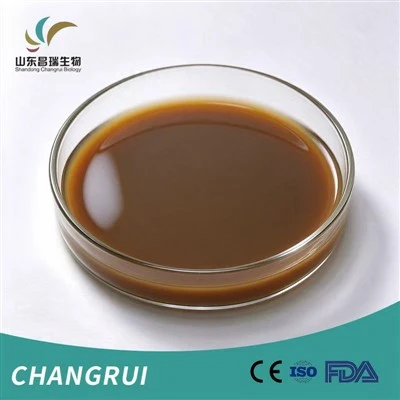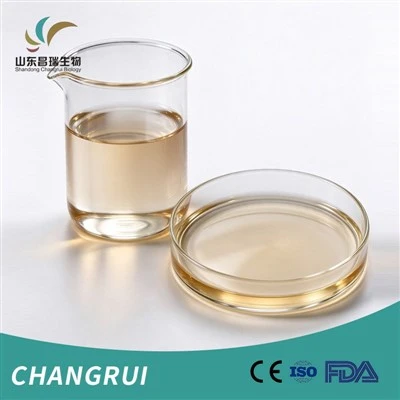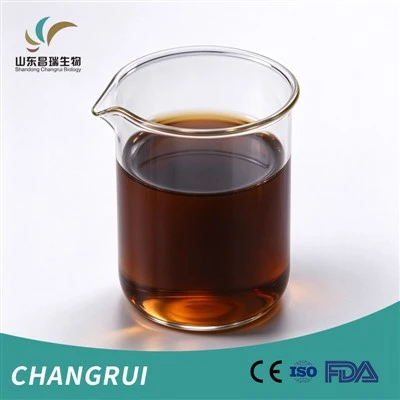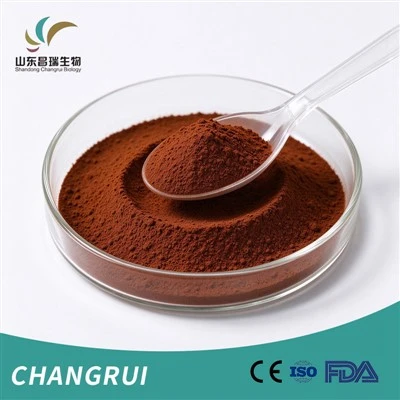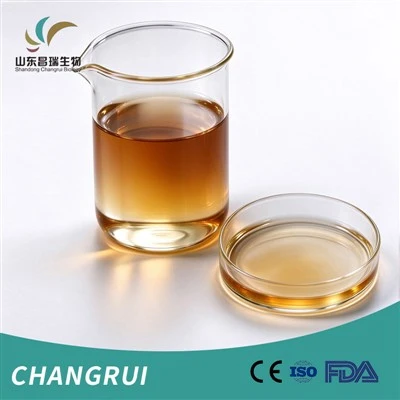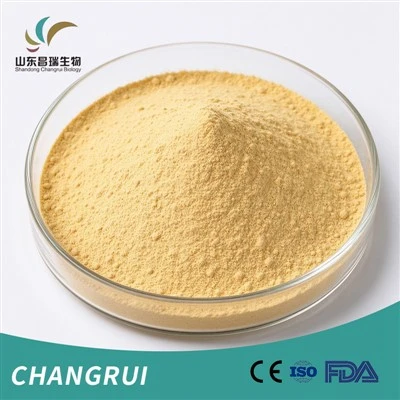
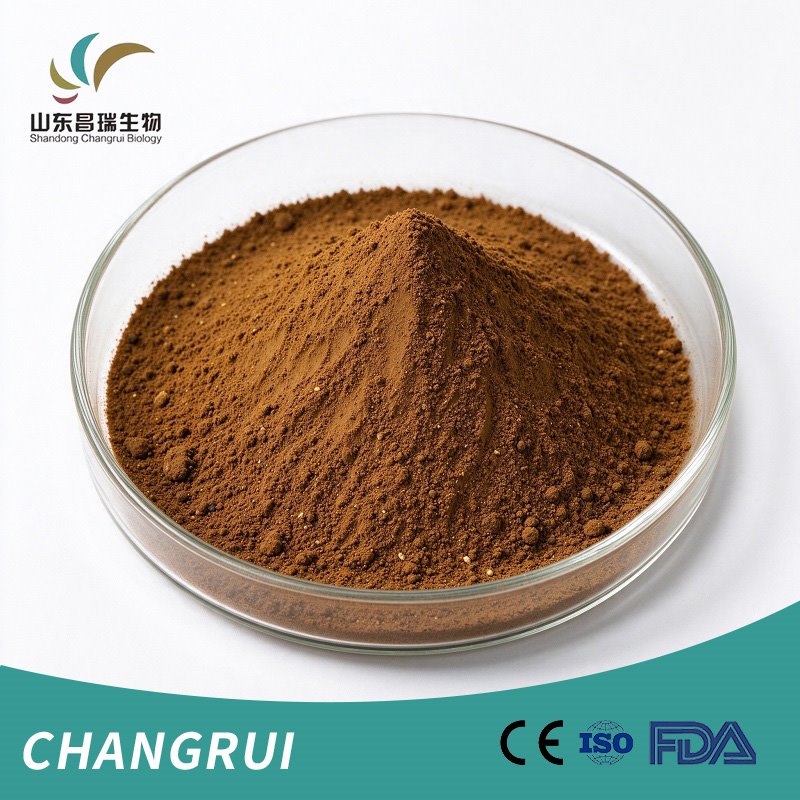
Shandong Changrui Biotech Co., Ltd. is one of the leading manufacturers and suppliers of microbial inoculant fertilizer in China. Please feel free to wholesale bulk high purity microbial inoculant fertilizer in stock here from our factory. All our raw materials are with high quality and competitive price. Contact us for pricelist.
Product Introduction
Microbial Inoculant Fertilizer contains selected composite beneficial microorganisms. After application, functional microbes colonize rhizosphere soil, decompose organic substances, activate fixed soil nutrients and inhibit the propagation of soil-borne harmful pathogens. It relieves continuous cropping barriers, improves soil aggregate structure and boosts crop root vigor. As a key raw material for bio-organic fertilizer and functional soil amendment formulations, it supports sustainable soil health and promotes stable crop yield and quality in green planting programs.
Technical Specifications
|
Property |
Specification |
|
Appearance |
Brown to dark brown fine powder |
|
Effective Standard |
GB 20287-2006 |
|
Moisture |
≤10.0% |
|
Organic Matter Content |
≥20.0% |
|
pH Range |
5.5–8.5 |
|
Heavy Metals |
Compliant with agricultural microbial fertilizer standards |
|
Foreign Bacteria Rate |
≤20.0% |
|
Fecal Coliforms |
≤100 CFU/g |
|
Ascaris Egg Mortality |
≥95% |
|
Impurity Content |
No visible foreign impurities |
|
Shelf Life |
≥6 months (GB standard); typically 12 months under proper storage |
Health Benefits & Values
Rhizosphere Microecology Regulation
Beneficial microbes colonize crop rhizosphere, restrain harmful pathogens and balance soil microbial community.
Activation of Soil Fixed Nutrients
Decompose soil organic compounds and release immobilized nutrients to raise nutrient availability for crops.
Alleviation of Continuous Cropping Obstacles
Improve soil structure, reduce toxic metabolite accumulation and mitigate root diseases caused by continuous cropping.
Promotion of Root Development & Nutrient Uptake
Metabolites secreted by microbes stimulate root growth and enhance crop absorption of water and nutrients.
Reduction of Chemical Fertilizer Dependence
Improve soil fertility sustainably, helping lower chemical fertilizer application rates for eco-friendly cultivation.
Core Value in Formulation Development
High Viable Count Ensures Stable Formula Performance
High concentration of screened functional strains with stable survival rate in carrier systems, maintaining activity during finished fertilizer processing and storage.
Multi-Strain Synergistic Functional Design
Compound strains deliver multiple soil-beneficial effects. Formulators can simplify formula design while achieving soil restoration and root promotion.
Flexible Formulation Adaptabilit
Microbial Inoculant Fertilizer suitable for bio-organic fertilizer, granular fertilizer and water-soluble bio-fertilizer.
Good Compatibility with Organic Fertilizer Materials
Compatible with organic carriers and most neutral functional additives, supporting diversified functional compound fertilizer development.
Controlled Carrier System Extends Shelf Life
Optimized organic carrier protects microbial activity, slowing strain inactivation and keeping consistent performance throughout shelf life.
End-Application Scenarios
Continuous Cropping Soil Remediation (Core Track)
Applied for field and greenhouse soil improvement to relieve soil compaction, reduce soil-borne root diseases and restore soil vitality.
Seedling Cultivation & Root Protection
Used in nursery substrate and seedling stage root application to build healthy rhizosphere environment and reduce seedling mortality.
Base Fertilizer for Field & Orchard Crops
Incorporated into soil before planting to enrich soil beneficial microbes and improve long-term soil fertility for grains, fruits and vegetables.
Compound Bio-Fertilizer Development
Serves as core microbial active ingredient for manufacturing bio-organic fertilizers and soil conditioners for green agriculture.
High-Value Crop Quality Improvement
Widely used for fruits, vegetables, tea and medicinal crops, optimizing rhizosphere environment to upgrade crop commodity quality.
Application Advantages and Market Positioning
Living Microbe Functional Fertilizer Positioning
Focuses on rhizosphere microecology restoration, meeting market demand for soil health raw materials.
Sustainable Soil Fertility Improvement
Beneficial strains reproduce in soil to deliver long-term soil improvement, achieving persistent effects unavailable from single chemical inputs.
Multi-Benefit Synergistic Performance
Microbial Inoculant Fertilizer combines multiple soil-beneficial functions, creating higher comprehensive value for eco-friendly planting.
Wide Adaptability Across Crop Systems
Suitable for farmland, greenhouse and orchard planting, matching the requirements of organic and low-carbon agricultural production.
FAQ (Technical Q&A)
Q1: How does it differ from conventional fertilizers in mode of action?
A: Unlike conventional fertilizers that directly supply nutrients, it relies on living beneficial microorganisms to colonize the rhizosphere, decompose organic matter, activate fixed soil nutrients, and suppress soil-borne pathogens. It focuses on long-term soil health rather than quick nutrient supply.
Q2: What is the optimal soil temperature and moisture for applying this product?
A: The optimal soil temperature is 25–37°C. Below 5°C or above 45°C, microbial activity is significantly reduced. Soil moisture should be maintained at approximately 60% of field capacity. Avoid application during drought conditions.
Q3: Can it be tank-mixed with chemical fertilizers or pesticides?
A: It is compatible with organic fertilizers and neutral water-soluble fertilizers. Avoid mixing with strong alkaline substances or high-concentration biocides, which can kill beneficial bacteria. Do not apply together with fungicides or soil disinfectants. Allow 10–15 days after soil disinfection before applying microbial fertilizer.
Q4: How should this product be stored to maintain viable bacteria count?
A: Store sealed in a cool, dry, ventilated warehouse away from high temperature, direct sunlight, and strong alkaline substances. Optimal storage temperature is 4–10°C. Shelf life is typically 12 months; after 1 year, viable bacteria count decreases significantly.
Q5: What is the difference between the viable bacteria count in this product and the national standard requirement?
A: The national standard GB 20287-2006 requires a minimum of 2.0×10⁸ CFU/g for powder microbial inoculants. This product exceeds that standard. Always check the actual test report for viable bacteria count before application.
Q6: Can it be used in organic agriculture?
A: Yes. It is an eco-friendly biological fertilizer complying with organic agriculture input standards.
Q7: What are the key application precautions for microbial fertilizers?
A: Do not apply under strong sunlight (UV-sensitive); incorporate into soil. Avoid mixing with unfermented manure, which can cause secondary fermentation and kill microbes. Do not apply on waterlogged soil. Use before the expiration date.
Q8: How long does it take for the microbes to colonize the soil and show effects?
A: After application, the microbes require a reproduction and colonization period. Visible effects on soil health and root development typically appear within 2–4 weeks under favorable temperature and moisture conditions.
Q9: What is the difference between this product and organic fertilizer?
A: Organic fertilizer primarily supplies organic matter and nutrients. It supplies living beneficial microorganisms that activate soil nutrients, improve soil structure, and suppress pathogens. They are complementary and can be used together for best results.
Q10: Does Microbial Inoculant Fertilizer have any phytotoxicity risk?
A: No. The selected strains are environmentally friendly and non-pathogenic. At recommended dosages, it poses no phytotoxicity risk to crops.
Hot Tags: microbial inoculant fertilizer, China microbial inoculant fertilizer manufacturers, suppliers, factory